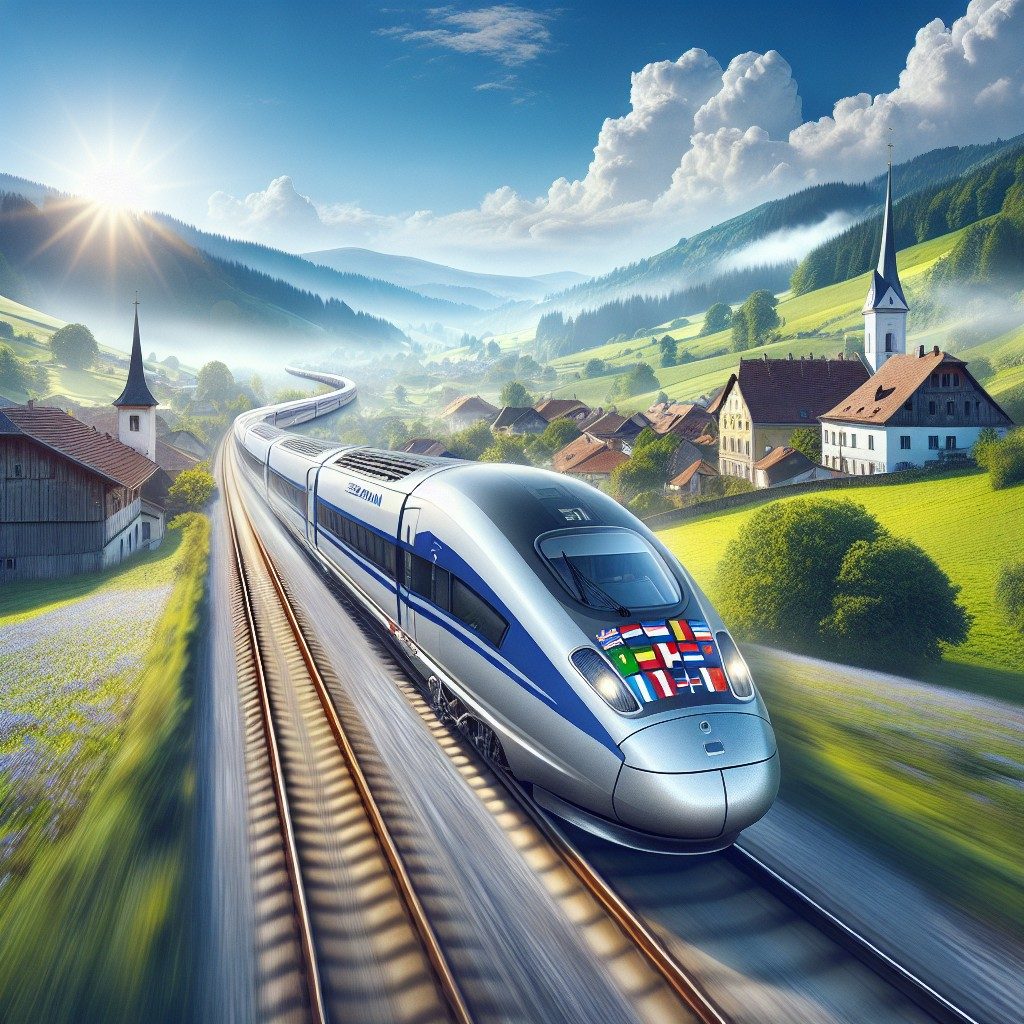
Europe’s extensive development of high-speed rail networks has transformed the way millions of passengers travel across the continent. Romania, currently limited by slower conventional rail infrastructure, stands at a potential crossroads in integrating into this high-speed framework that promises faster, more efficient, and sustainable travel.
Current state of rail travel in Romania
Romania’s railway system primarily consists of conventional trains with limited modernization and electrification compared to Western European standards. The average train speed remains significantly below the benchmarks observed in countries with operational high-speed rail routes, such as France or Germany. Connectivity between major Romanian cities and neighboring countries is often slow, impacting both passenger comfort and economic activity.
Europe’s high-speed rail network expansion
In recent decades, the European Union and member states have invested heavily in the expansion and upgrading of high-speed rail links. These routes link major urban centers and cross multiple countries, fostering regional development, reducing road and air traffic, and lowering carbon emissions. The Trans-European Transport Network (TEN-T) includes corridors aimed at connecting Eastern European countries with the broader high-speed network, indicating long-term plans to increase integration.
Potential benefits of introducing high-speed rail to Romania
Implementing high-speed rail in Romania could significantly reduce travel times between Bucharest, Cluj-Napoca, Timișoara, and other economic hubs. This would not only encourage domestic mobility but also improve international connections, particularly with Hungary, Austria, and further Western European destinations. Enhanced accessibility could bolster tourism, attract foreign investment, and facilitate labor market flexibility within Romania.
Challenges facing high-speed rail development in Romania
Several obstacles hinder the realization of high-speed rail in Romania, including the need for substantial financial investment in infrastructure upgrades, modern signaling technologies, and rolling stock. The current rail network requires extensive modernization to accommodate high-speed trains safely. Political will, regulatory alignment with EU standards, and sustainable funding models are critical factors in advancing these projects. Moreover, environmental assessments and land acquisition processes could delay construction timelines.
Romania’s strategic plans and European cooperation
The Romanian government has recognized the importance of rail modernization within its national transport strategy. Recent collaborations with European partners and funding mechanisms like the EU Recovery and Resilience Facility provide some financial support for infrastructure development. Cross-border initiatives aim to link Romania more effectively with the rest of Europe, emphasizing interoperability and technological harmonization. However, concrete timelines and committed projects remain in early stages compared to more established high-speed corridors elsewhere in Europe.
Conclusion
The integration of high-speed rail in Romania could mark a pivotal shift toward modernizing the country’s transport infrastructure and increasing its competitiveness in the European context. While promising, the ambition necessitates overcoming financial, technical, and administrative challenges. Continued European cooperation and a clear national commitment to rail development will determine how soon high-speed travel becomes a reality for Romanian passengers.
Frequently Asked Questions about high-speed rail
What is the expected travel speed of high-speed rail compared to Romania’s current trains?
High-speed rail typically operates at speeds exceeding 250 km/h, considerably faster than Romania’s conventional trains, which average around 80-120 km/h, enabling much shorter journey times.
How could high-speed rail improve international travel from Romania?
By connecting Romanian cities with major European hubs via high-speed rail, international travel would become quicker and more convenient, facilitating easier business trips and tourism across borders.
What are the main obstacles to developing high-speed rail in Romania?
The principal challenges include the high costs of upgrading infrastructure, the need for technological advancements, regulatory harmonization with the EU, and securing consistent funding sources.
Is there financial support from the European Union for Romanian high-speed rail projects?
Yes, the EU offers funding opportunities through instruments like the Recovery and Resilience Facility and TEN-T programs to support rail infrastructure modernization in Romania.
How soon could high-speed rail be operational in Romania?
Given the current stage of planning and development, substantial high-speed rail operations in Romania are likely several years away, depending on project approvals, financing, and construction progress.