Industrial automation has transformed manufacturing and production processes across the globe, promising increased efficiency and cost savings. However, recent studies and industry reports suggest that the productivity gains from industrial automation may reach a plateau after a certain point of adoption.
The current state of industrial automation adoption
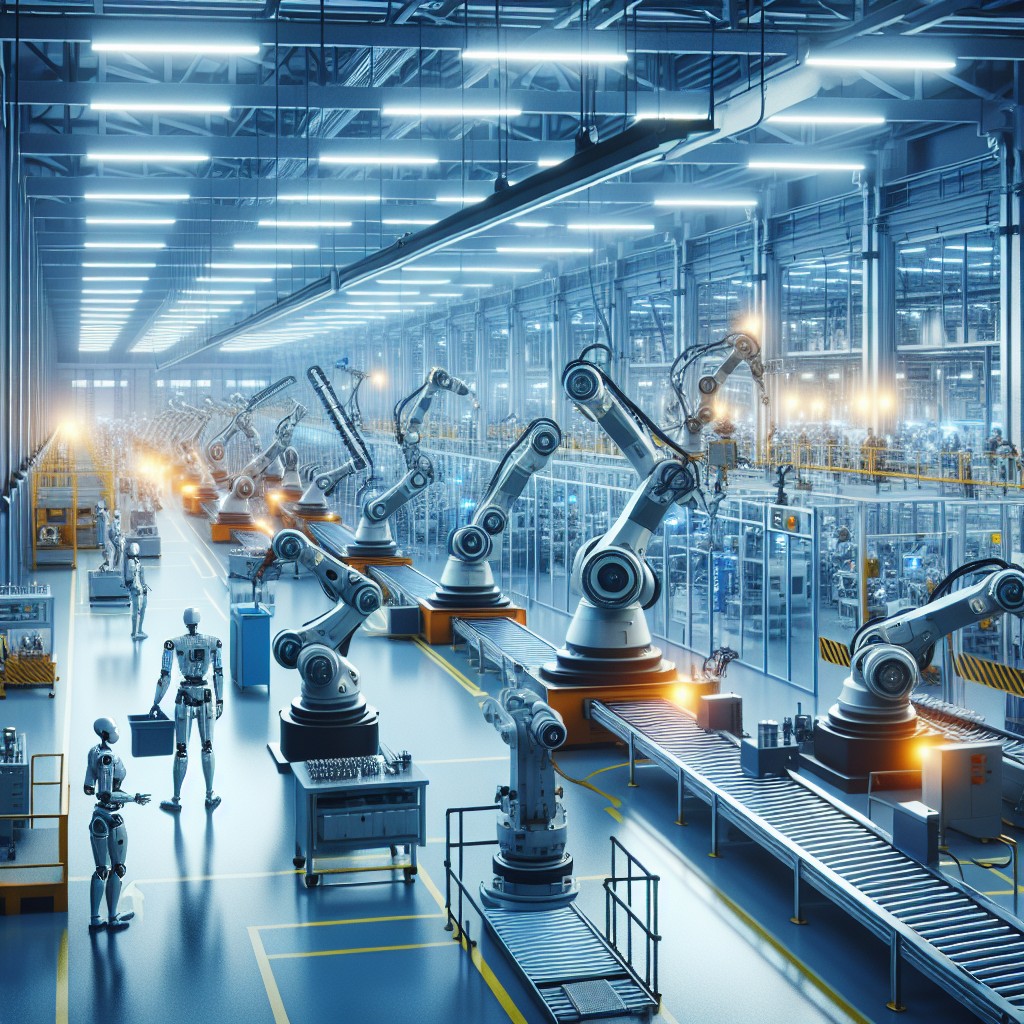
Over the past decade, the adoption of industrial automation has accelerated significantly in various sectors, including automotive, electronics, and consumer goods manufacturing. Companies have deployed robotics, advanced control systems, and data analytics to optimize their operations. This widespread integration reflects the growing recognition that automated processes can reduce human error, improve quality, and increase throughput.
Key drivers behind productivity improvements
The primary reason manufacturing firms have embraced industrial automation is the tangible improvement in productivity it delivers. Automated systems operate continuously without fatigue, can handle repetitive tasks with precision, and enable faster production cycles. Additionally, the introduction of real-time monitoring and predictive maintenance further enhances operational efficiency by minimizing downtime. Together, these factors have contributed to significant productivity gains in several industries.
Identifying the productivity plateau
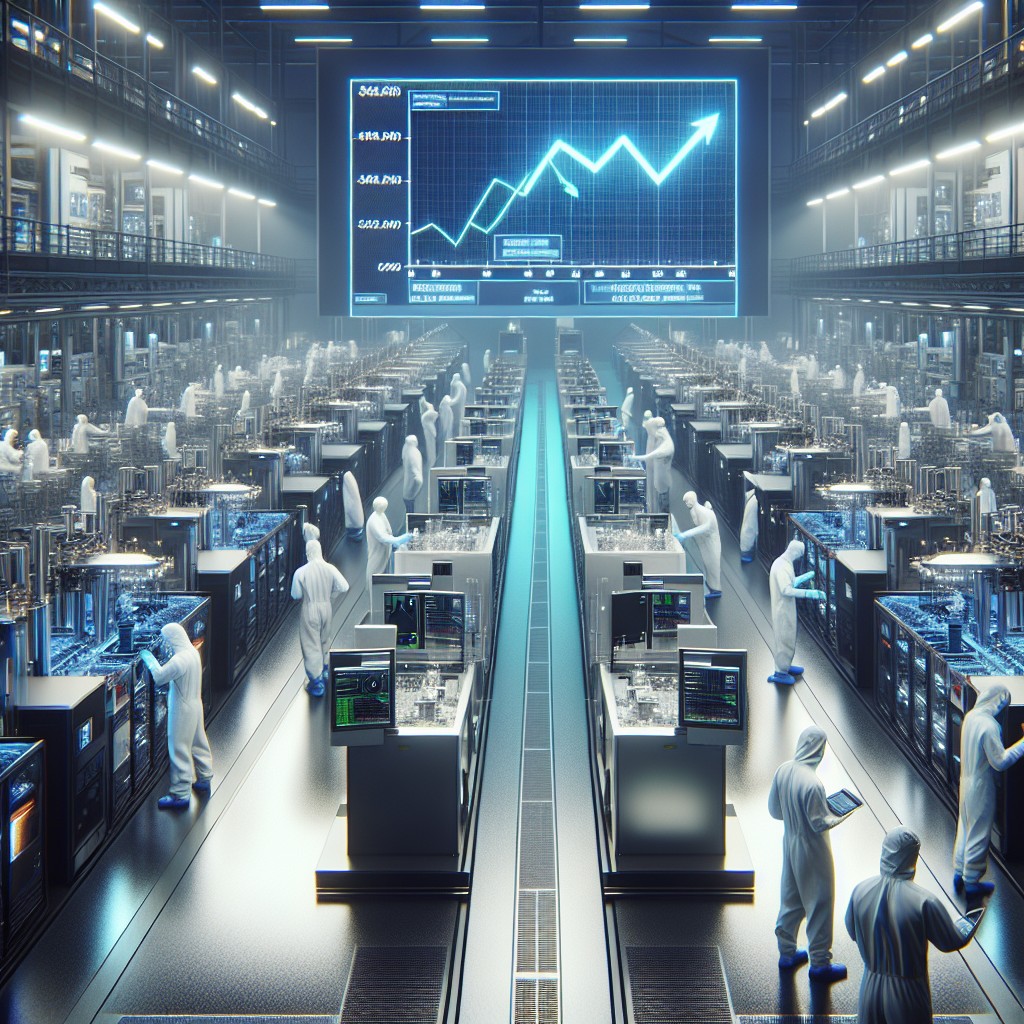
Despite early improvements, evidence shows that productivity gains from industrial automation tend to slow down after reaching a certain maturity level. Organizations experience diminishing returns as they exhaust low-hanging operational inefficiencies. The initial boost from automating manual processes cannot be sustained indefinitely, particularly when existing systems have optimized their workflows to near capacity. At this stage, costs for further automation upgrades often rise sharply, while additional output improvements become marginal.
Challenges limiting continued productivity growth
There are several challenges that contribute to the plateauing of productivity gains in industrial automation. Integration complexities with legacy systems, high capital investment requirements, and workforce adaptation issues create barriers to scaling automation further. Moreover, the complexity of manufacturing tasks sometimes demands human flexibility and problem-solving, which current automated solutions cannot fully replicate. Cybersecurity risks and insufficient data interoperability across devices also hamper the seamless expansion of automation systems.
Future outlook and strategies beyond the plateau
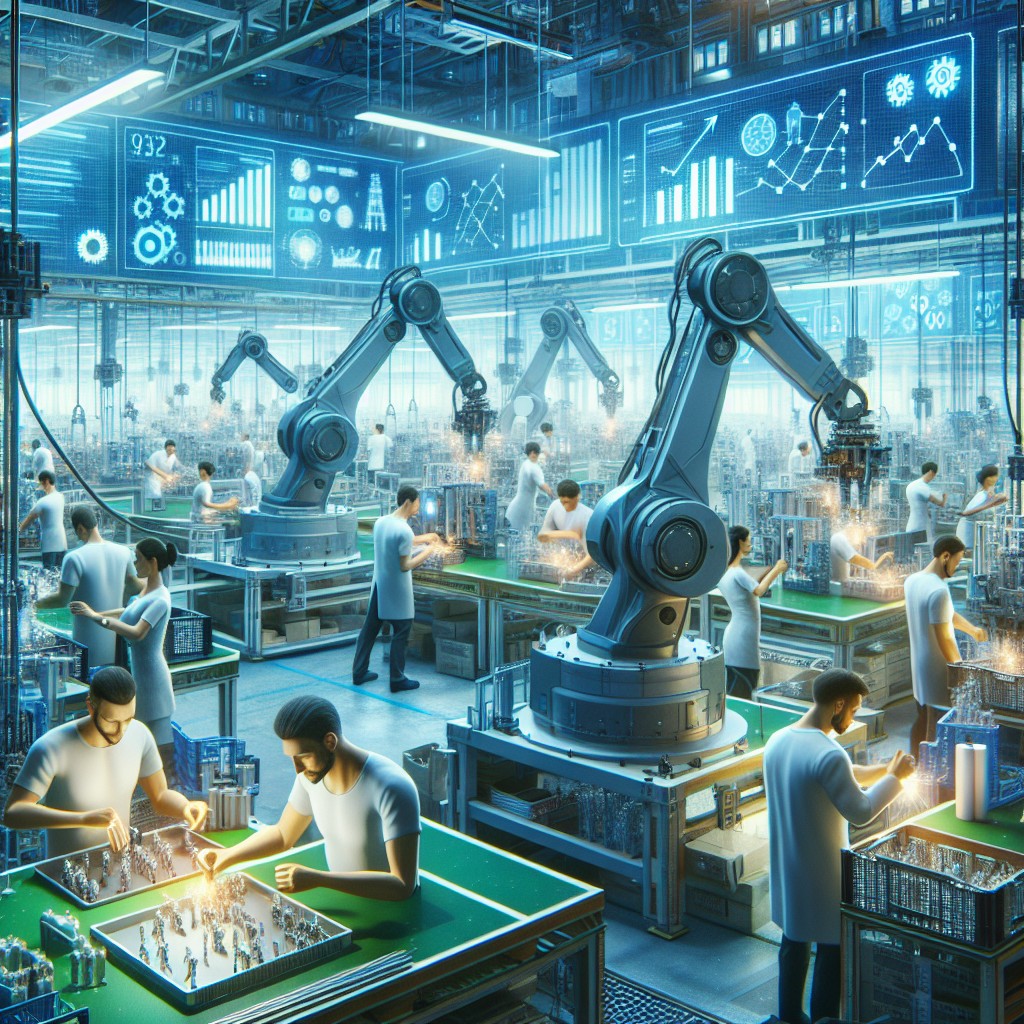
Looking forward, companies targeting further productivity improvements need to explore hybrid approaches that combine automation with human expertise and advanced technologies such as artificial intelligence and machine learning. Investing in workforce training to complement automation, along with improving data infrastructure, can unlock new efficiency layers. Furthermore, adopting modular and scalable automation platforms might reduce costs and improve adaptability. Although productivity gains from traditional industrial automation may plateau, innovation in related technologies and operational models offers promising pathways for sustained advancement.
Frequently Asked Questions about industrial automation
What is the primary benefit of industrial automation in manufacturing?
The primary benefit of industrial automation is increased efficiency and consistency in manufacturing processes, resulting in higher productivity and improved product quality.
Why do productivity gains from industrial automation eventually plateau?
Productivity gains plateau because initial improvements address the most significant inefficiencies, while subsequent automation efforts face diminishing returns due to complexity, cost, and the need for human flexibility.
How do integration challenges impact industrial automation adoption?
Integration challenges with existing legacy systems and varied data standards can slow down or limit the expansion of industrial automation, affecting overall productivity improvements.
Can combining automation with human workers improve productivity after the plateau?
Yes, combining automation with skilled human labor and advanced technologies like AI can overcome some limitations and foster additional productivity beyond the plateau.
What industries are leading in industrial automation adoption?
Industries such as automotive, electronics, and consumer goods manufacturing are among the leaders in adopting industrial automation to optimize their production processes.